
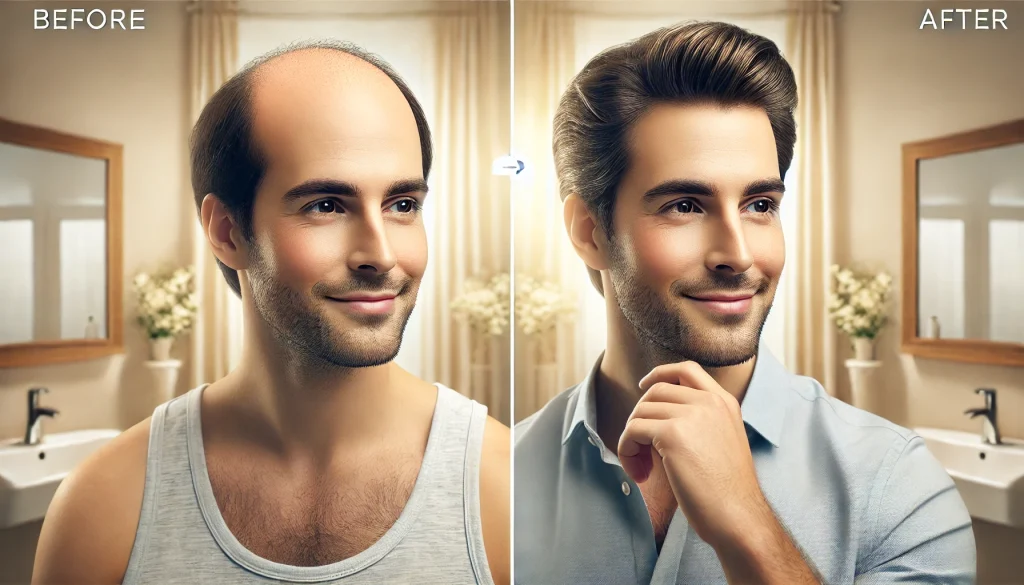
Hair loss is a deeply personal experience that affects millions of people worldwide. Whether due to medical conditions like alopecia, chemotherapy, burns, or genetic factors, losing hair can significantly impact one’s self-confidence. Thankfully, advancements in hair replacement technology have led to the rise of prosthesis hair—a highly specialized solution designed to mimic natural hair with precision.
Prosthesis hair is more than just a wig or a hairpiece. It is an advanced, custom-made hair system designed for individuals with severe hair loss, offering comfort, realism, and long-term usability. This article delves deep into everything you need to know about prosthesis hair, from its benefits to its application, care, and customization.
What is Prosthesis Hair?
Prosthesis hair is a non-surgical hair replacement system that is custom-designed to match an individual’s scalp, hair density, and natural hairline. Unlike traditional wigs or toupees, it is often crafted with medical-grade materials, making it safe for people with sensitive scalps.
Key Features of Prosthesis Hair:
- Custom-Fit: Tailored to fit the exact contours of the scalp.
- Medical-Grade Materials: Ideal for people with skin sensitivity or medical conditions.
- Breathability: Allows air circulation, reducing heat and discomfort.
- Realistic Appearance: Uses high-quality human or synthetic hair for a natural look.
- Long-Lasting: Can be worn continuously for weeks or months with proper maintenance.
Who Can Benefit from Prosthesis Hair?
Prosthesis hair is an excellent option for:
- Cancer Patients: Those undergoing chemotherapy who experience temporary or permanent hair loss.
- Alopecia Sufferers: Individuals with alopecia areata, totalis, or universalis.
- Burn or Surgery Survivors: People with scarring or scalp damage from injuries.
- Hormonal Hair Loss Cases: Those affected by conditions like androgenetic alopecia.
- Individuals with Severe Thinning: Those who do not qualify for hair transplants or prefer a non-invasive solution.
Types of Prosthesis Hair
Prosthesis hair comes in various designs to suit different needs and lifestyles.
1. Full-Scalp Hair Prosthesis
- Covers the entire scalp.
- Ideal for individuals with total hair loss.
- Provides complete coverage and natural density.
2. Partial or Topper Hair Prosthesis
- Covers specific areas of hair loss, such as the crown.
- Suitable for people with localized thinning.
3. Medical-Grade Lace Prosthesis
- Made with ultra-fine lace material for maximum breathability.
- Often recommended for individuals undergoing chemotherapy.
4. Silicone-Based Prosthesis
- Designed with a skin-like base that mimics the scalp.
- Provides a seamless look with superior adhesion.
How is Prosthesis Hair Made?
The creation of prosthesis hair is a meticulous process that requires expert craftsmanship.
Step 1: Consultation and Customization
- The client undergoes a scalp assessment to determine their specific needs.
- Measurements and scalp impressions are taken to ensure a perfect fit.
- Hair texture, color, and density are selected based on the client’s natural hair.
Step 2: Hair Selection and Integration
- High-quality human hair or premium synthetic fibers are used.
- Individual hairs are carefully hand-tied or injected into the prosthesis base.
Step 3: Finalization and Fitting
- The hair prosthesis undergoes quality checks.
- The final product is customized with haircuts, styling, and blending.
- A professional technician fits and adheres the prosthesis to the scalp.
How to Attach and Maintain Prosthesis Hair
Application Methods:
- Adhesive Bonding: Medical-grade adhesives ensure secure attachment.
- Tape System: Double-sided tapes offer flexibility and easy removal.
- Clips and Comb Attachments: Ideal for partial prostheses that blend with existing hair.
Care and Maintenance:
- Cleaning: Wash with sulfate-free shampoo and conditioner.
- Styling: Avoid excessive heat on synthetic hair; human hair can be styled as normal.
- Sleeping: Use a silk or satin pillowcase to prevent tangling.
- Professional Servicing: Regular visits to a hair replacement specialist extend the prosthesis’s lifespan.
Prosthesis Hair vs. Traditional Wigs: What’s the Difference?
| Feature | Prosthesis Hair | Traditional Wig |
|---|---|---|
| Custom-Fitted | Yes | No (Standard Sizes) |
| Medical-Grade Materials | Yes | Mostly Fashion-Based |
| Breathability | High | Moderate to Low |
| Realistic Appearance | Extremely Natural | Varies |
| Longevity | 6 Months – 2 Years | 3 – 6 Months |
Where to Get Prosthesis Hair
Specialized hair replacement saloons like Celebrity and Star Hair, offer these solutions. It is recommended to choose a provider with experience in medical-grade hair systems to ensure quality and comfort.
For those in Malaysia and Singapore, Celebrity and Star Hair offers high-quality hair prosthesis solutions tailored to individual needs. With expertise in men’s hair replacement, we ensure a seamless and natural result.
Conclusion
Prosthesis hair is a game-changer for individuals experiencing significant hair loss. With cutting-edge technology and customization, it offers a comfortable, realistic, and long-lasting solution that boosts confidence and restores a natural appearance. Whether you are dealing with medical-related hair loss or seeking an alternative to transplants, prosthesis hair provides a non-invasive, effective option worth considering.
If you are looking for a high-quality, professionally crafted hair prosthesis, consult with a hair replacement specialist to explore the best options tailored to your needs.